Evening Routine Slips: Unpacking the Friction
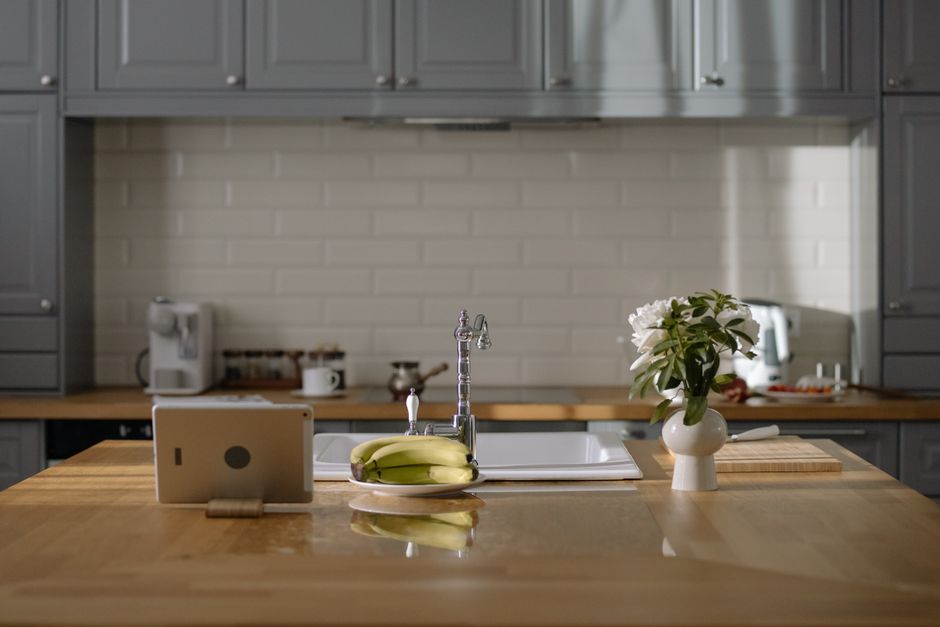
As the clock ticks toward the end of the workday, the clutter on the bedside table becomes a familiar sight. A half-empty water bottle, a pair of earbuds, and an old notebook lie scattered, reminders of intentions that often slip through the cracks. It's during this ordinary weekday moment that the plan to reset for the evening begins to unravel. A phone notification buzzes, pulling attention away from the simple task of setting out breakfast items for the next morning. The intention is there, but the execution falters as distractions creep in.
In the rush to transition from work to home, the small habit of preparing for the next day often gets lost. The umbrella, which should be moved to the door for easy access, remains tucked away in the corner of the room, a symbol of overlooked details. This missed check creates friction in the morning routine, leading to a scramble that could have been avoided with a few moments of preparation. Each evening, the same pattern repeats, highlighting the challenge of maintaining life structure when the evening routine feels like an afterthought.
The Morning Routine That Sets the Tone
The bedside table is a chaotic mix of half-read books, a charging phone, and an empty coffee mug, each item vying for attention as the day begins. A quick glance at the clock reveals it’s already later than planned, nudging the morning routine into a rushed scramble. The intention to set out breakfast items the night before quickly fades as a notification buzzes, drawing focus away from the task. Instead of neatly arranging the oatmeal packets and fruit, the mind drifts to the screen, leaving the breakfast prep untouched.
With the evening routine still fresh in memory, the small habit of preparing for the next day feels critical. Yet, as the clock ticks closer to the departure time, the breakfast triage happens too late, creating unnecessary friction. The umbrella, which should have been moved to the door for easy access, remains tucked in the corner, a reminder of the overlooked details that complicate the morning. This cluttered setup not only disrupts the flow but also sets a tone of chaos that echoes throughout the day, making it clear that without a visible cue—like placing the umbrella where it can be seen—the morning routine is bound to falter. Each evening, the same pattern unfolds, reinforcing the need for a more deliberate approach to preparation. Where the Evening Routine Begins to Slip As the evening winds down, the bedside table becomes a cluttered reminder of the day’s unfinished tasks. A phone notification buzzes, drawing attention away from the simple act of preparing for the next morning. Instead of laying out the oatmeal packets and the banana for breakfast, the mind drifts to the screen, lost in the digital noise. This moment of distraction marks the beginning of a familiar pattern—a missed check that sets off a chain reaction, causing the morning routine to unravel before it even begins.
With the clock ticking toward bedtime, the breakfast items remain untouched, leaving the morning filled with uncertainty. When the alarm rings, the scramble to find something quick to eat becomes a frantic search through the pantry, which only adds to the chaos. The umbrella, which should have been moved to the door for easy access, still sits in the corner of the hallway, a symbol of the small habit that was overlooked. This lack of preparation not only complicates the morning but also creates a sense of urgency that bleeds into the rest of the day.
To counteract this friction, a practical adjustment is necessary. Placing the oatmeal packets and fruit on the kitchen counter before bed can serve as a visible cue, reminding the mind of the morning’s needs. This small act, done consistently, can shift the focus back to a more structured routine. However, without that initial check, the cycle of chaos continues, reinforcing the importance of setting up for success the night before. The evening routine, when neglected, can easily derail the day ahead, making it clear that small, intentional actions are crucial for maintaining life structure.
Why the Friction Happens in Ordinary Life
A slightly different version of this problem appears in Everyday Life In The, where the sequence changes but the hidden drag feels familiar.
Evening routines often unravel due to the simple act of late preparation. When the clock strikes 7 PM, intentions to reset for the next day can quickly fade if the kitchen is still cluttered from dinner. The cereal box remains on the counter, and the fruit bowl is empty, leaving breakfast plans in disarray. Without setting out the oatmeal packets and a banana the night before, the morning becomes a scramble, forcing a choice between grabbing something unhealthy or skipping breakfast altogether. This small oversight sets off a domino effect, impacting the entire weekday routine.
Distractions from devices further complicate this scenario. A quick glance at the phone for a notification can lead to an unexpected scroll through social media, pulling focus away from the tasks at hand. As the minutes slip by, the intention to prepare for the next day dissolves into a haze of notifications and updates. The evening routine, meant to be a time for winding down, instead morphs into a chaotic race against time, where good intentions falter under the weight of distractions. The phone, once a tool for connection, becomes a barrier to maintaining structure.
In this environment, the hidden step often overlooked is the placement of visible reminders. If the breakfast items are tucked away in the pantry, they are easily forgotten. Instead, placing them front and center on the kitchen counter creates a visual cue that reinforces the habit of preparation. This simple adjustment can redirect focus from the screen back to the task at hand, but without that initial setup, the cycle of chaos continues. The contrast between a prepared evening and a distracted one highlights how easily good intentions can slip away when the necessary actions are not taken.
Rearranging the Sequence for Success
If this pattern keeps repeating, Daily Routines Real Life extends the idea without leaving the niche.
In the midst of a busy weekday morning, the chaos of breakfast preparation often leads to a scramble for time. A key moment occurs when the coffee maker sits idle on the counter, waiting for its turn while the toast pops up. Instead of diving into the morning routine without a plan, setting out breakfast items the night before can drastically change the flow. Imagine placing the cereal box, milk, and bowls on the kitchen counter, ready for the first light of day. This small act transforms the morning into a more manageable sequence.
Another hidden friction point is the umbrella, which is often left in a corner of the living room. When the rain unexpectedly starts, searching for it becomes a frantic last-minute task. By moving the umbrella to the door, it becomes a visible prompt that encourages grabbing it before heading out. This adjustment not only saves time but also reduces stress, allowing for a smoother transition from home to work.
These small shifts in routine, like preparing breakfast items and relocating the umbrella, create a more predictable start to the day. When each item is placed where it will be seen, it reinforces the habit of preparation. The decision to set these elements in place the night before allows for a focused morning, minimizing the chance of distractions from notifications or last-minute searches. Ultimately, these adjustments create a more consistent life structure, making it easier to adhere to the weekday routine.
A Quick Check That Prevents More Drift
Before the first work block begins, a quick glance at the bedside table can make a significant difference in how the morning unfolds. This small but vital spot is where essential items like your phone, keys, and a water bottle should be visible. If the phone is buzzing with notifications, it can easily derail your focus, pulling you into distractions right before your day starts.
To counteract this, place a small bowl on the bedside table specifically for your phone. This way, you can quickly check notifications without losing sight of your morning routine. By doing this, you create a physical barrier that reminds you to prioritize your tasks. When you wake up, the first action should be to set out breakfast items—like oatmeal packets or a smoothie cup—right next to that bowl. This not only streamlines your breakfast prep but also reinforces the habit of preparing the night before.
Missing this step can lead to a chaotic morning, where you might find yourself scrambling for breakfast while scrolling through messages. Instead, by making these items visible and accessible, you reduce the likelihood of drifting into a last-minute rush. This simple adjustment not only enhances your morning routine but also sets a more consistent tone for the rest of the day.
What Gets Easier in the Next Time Block
Setting out breakfast items the night before can significantly ease the transition into your morning routine. When you place a bowl of oatmeal packets on your kitchen counter, right next to the coffee maker, it becomes a visual cue that prompts you to prepare. This small habit not only saves time but also helps you avoid the frantic search for breakfast ingredients while juggling notifications from your phone.
During your first work block, the chaos of a disorganized morning can linger. If you skip setting out those breakfast items, you might find yourself rushing to make a decision about what to eat while your phone buzzes with distractions. Instead, by making breakfast preparation a visible part of your evening routine, you create a smoother flow into the next part of your day. This adjustment allows you to focus more on your tasks rather than scrambling for food, leading to a more productive morning without the usual stress.
Evening routines often fall apart due to overlooked details that disrupt the flow into the next day. When you neglect to place your breakfast items in a visible spot, like on the kitchen counter, you set yourself up for chaos in the morning. That simple act of setting out a bowl of oatmeal packets can serve as a crucial reminder, steering you away from the distractions of phone notifications and the last-minute scramble for food.
As you rebuild your weekday routine, consider how small adjustments can have a ripple effect. If you find yourself repeatedly forgetting to prepare, try placing your breakfast items next to the coffee maker each night. This visual cue not only prompts you to prepare but also creates a smoother transition into your morning. By addressing these missed checks, you can regain control over your evening routine and set the stage for a more consistent daily reset.