The Small Check That Keeps Maintaining Life Structure From Sliding
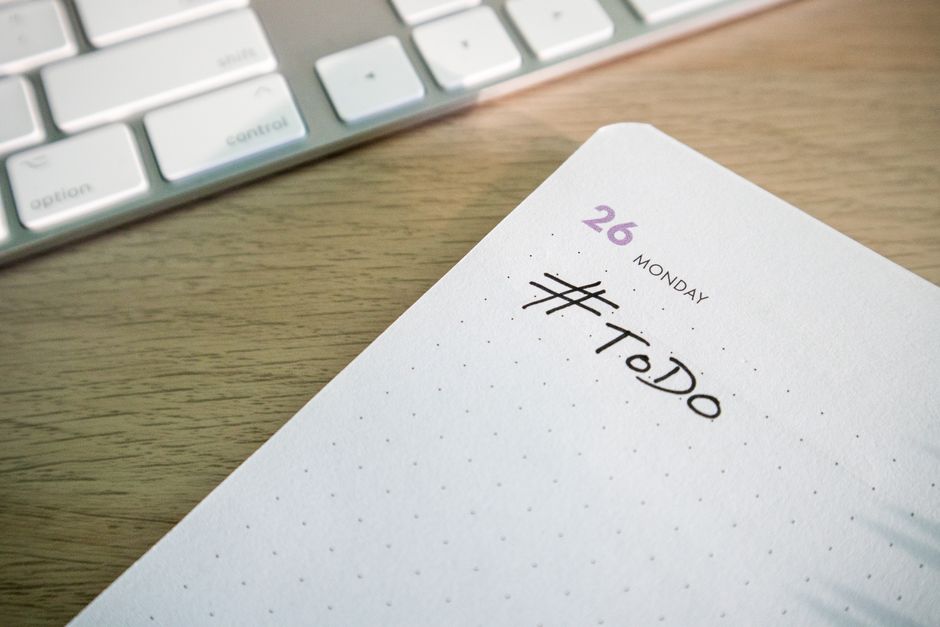
At 7:15 AM, the kitchen counter is cluttered with breakfast items: a half-opened box of cereal, a forgotten banana, and a coffee pot still brewing. The planner sits closed on the table, a silent reminder of the day’s tasks waiting to be tackled. As the clock ticks, the work clothes remain on longer than intended, a subtle signal of the morning slipping away. Each moment spent deciding what to eat chips away at the time needed to reset for the day, leaving a lingering sense of disorganization.
The missed check of setting out breakfast items the night before creates a ripple effect. Without a clear plan, the morning routine becomes a scramble, leading to hasty decisions that often result in skipping meals or grabbing something less nutritious. This small habit, which seems trivial in the moment, can derail the entire structure of the day. The absence of a simple action—like laying out breakfast the evening prior—can turn a well-intentioned morning into a chaotic start, making it harder to regain focus during the first work block.
A Morning in Flux: The Breakfast Triage
The kitchen counter is a jumble of cereal boxes, fruit, and half-opened yogurt containers, all vying for attention. The planner, resting closed on the table, serves as a silent witness to the chaos of the morning. As the clock ticks closer to departure time, the pressure mounts. Decisions about breakfast become a frantic search for nourishment rather than a simple, satisfying routine. This is where the small habit of setting out breakfast items the night before could have made a significant difference.
With only minutes left, the persona stands at the counter, scanning the options. The usual rhythm of the morning is disrupted; work clothes remain on longer than intended, a reminder of time slipping away. Instead of a clear plan, there’s a hasty decision to grab a granola bar, which feels insufficient. The missed check of laying out breakfast items leads to an unstructured start, where every moment feels like a scramble. To regain some control, a quick mental note to set out breakfast the next evening could help establish a smoother flow, allowing for a more focused first work block and a better chance of sticking to the weekday routine.
When Motivation Fails: The Small Mistake
If this pattern keeps repeating, Everyday Life In The extends the idea without leaving the niche.
The kitchen counter sits cluttered with the remnants of yesterday’s breakfast, a subtle reminder of the routine that slipped. The persona stands there, dressed in work clothes that have lingered longer than planned, feeling the clock tick away precious minutes. This morning, the intention was to have a nourishing breakfast, but the reality is a frantic search through the pantry. The decision to skip setting out breakfast items the night before seemed harmless, yet it has now turned into a scramble for sustenance.
As the persona scans the shelves, the planner remains closed on the table, a missed opportunity to visualize the morning flow. Instead of a clear plan, there’s a hasty grab of a granola bar, which feels more like an afterthought than a satisfying choice. The reliance on motivation to prepare in the morning has backfired, leaving them with a disjointed start. A quick mental note to set out breakfast items tonight could help re-establish a smoother routine, ensuring that the morning doesn’t devolve into chaos again.
This oversight highlights an important contrast: when motivation is the sole driver, essential steps can easily be overlooked. The simple act of laying out breakfast items can create a buffer against the chaos of a busy day, allowing for a more focused first work block. As the persona reflects on this morning’s chaos, the small habit of preparation emerges as a vital piece of the weekday routine, one that can be easily integrated into the evening reset.
What Slips Next: The Consequence of Inaction
This same friction shows up again in Daily Routines Real Life, especially when the day tightens unexpectedly.
Rushing out the door without breakfast leads to an immediate energy slump by mid-morning. The stomach growls, and focus wavers, making it difficult to concentrate on the tasks at hand. The planner, still closed and untouched on the kitchen counter, serves as a stark reminder of the disorganization that follows. Without that essential morning check-in, the day quickly devolves into a series of missed deadlines and forgotten commitments.
As the clock ticks past 10 a.m., the persona finds themselves rifling through emails, feeling the pressure mount. Each time they glance at the planner, the unfilled spaces mock them, amplifying the sense of chaos. The absence of a structured morning routine has a cascading effect: without breakfast, energy dips, and without the planner opened and reviewed, priorities blur. They realize that a simple act of setting out breakfast items the night before could have created a smoother start, allowing for a more organized first work block.
Now, with the morning routine derailed, the persona faces a choice: scramble to catch up or accept the disarray. They glance at the half-eaten granola bar on the counter and make a mental note to prepare more thoughtfully tomorrow. The stakes are clear: a small habit of preparation can prevent larger disruptions later in the day. As they head into the next meeting, the lack of a solid foundation weighs heavily, underscoring the importance of those overlooked elements in maintaining life structure.
A Simple Repair: The One Check Before Leaving
As the clock ticks toward the morning meeting, the kitchen counter becomes a crucial staging area. A quick glance reveals the remnants of yesterday's breakfast—a half-opened box of cereal and a lone banana. The work clothes still cling to the persona, a reminder of time slipping away. To regain control, a simple check can make all the difference.
- Before stepping out, the persona pauses to assess the counter: is the coffee brewed, and are the breakfast items set out? Ensuring that the cereal is in a bowl and the banana is peeled can streamline the morning.
- They take a moment to place the granola bar in a designated spot by the door. This small habit not only saves time but also reduces the mental load of deciding what to eat.
- Finally, the planner remains closed on the table, but a quick scan of the counter serves as a reminder to open it after breakfast, establishing a connection between nourishment and planning.
This compact ritual of checking the kitchen counter fosters consistency, turning a chaotic start into a more manageable routine. The act of preparing breakfast items the night before, combined with this morning check, can significantly reduce friction and set a positive tone for the day ahead.
Revisiting the Routine: A Repeatable Pattern
On a cluttered kitchen counter, the remnants of yesterday’s breakfast linger, a reminder of the morning slip that derailed plans. As the persona stands there, they realize that setting out breakfast items the night before could transform this chaotic start into a smoother routine. A bowl filled with cereal and a banana on the side, already peeled, would eliminate the last-minute scramble. This simple act of preparation becomes a small habit, creating a reliable anchor for the morning.
In tandem with this, the planner, often forgotten on the table, needs to be opened each evening. By reviewing the next day’s schedule while preparing breakfast, they create a mental connection between nourishment and planning. This nightly ritual not only prevents chaos but also reinforces the importance of a daily reset, ensuring that the morning doesn’t start with uncertainty. A quick check of the counter before leaving the room, confirming that the breakfast items are ready and the planner is open, becomes a grounding moment in the routine.
Establishing this pattern can stick because it directly addresses the friction points that often arise. The act of preparing the night before reduces decision fatigue in the morning. With breakfast ready to go and the planner open, the persona can step into the day with clarity, transforming a previously chaotic morning into a repeatable, manageable system.
As the morning progresses, the tendency to overlook small checks can lead to a cascading effect on the day’s structure. For instance, if the breakfast items aren’t set out the night before, it becomes a scramble in the morning, often resulting in grabbing whatever is quickest rather than what fuels the day. This small habit of preparation can easily slip, especially when work clothes linger on longer than intended, pulling focus away from the routine.
To counter this, making it a point to place the breakfast items on the counter each evening not only streamlines the morning but also reinforces the importance of a consistent habit. Before leaving the kitchen, a quick check ensures that everything is ready, setting a positive tone for the day. This simple action can transform a chaotic start into a manageable routine, addressing the question of what part of maintaining life structure usually slips first on a crowded day.